


Accounts Receivable in Healthcare: An Overview MHC
Accounts Receivable in Healthcare: An Overview MHC
Posted by MTC March 24, 2021

From there, ensure that all stakeholders involved align on the problem to be solved (i.e. We want to be better at patient collections, We want to be better at open patient A/R, etc.). Unwarranted write-offs are considered “forgiveness” of a customer’s debt without payment. But write-offs—even the seemingly inconsequential ones—have a concerning impact on your bottom line, so you should avoid them as much as possible.
Best Practices for Managing Medical Accounts Receivable

That can mean taking withdrawals from savings, ultimately creating deeper financial difficulties for your healthcare organization. Managing accounts receivable in U.S. healthcare requires constant awareness of the constantly changing Payroll Taxes regulatory compliance landscape. Healthcare is one of the most heavily regulated industries there is, and that includes your AR operations. The healthcare landscape is constantly changing, and patients consistently pay more due to higher deductible plans and increasing patient costs.
Onscreen Report
You can generate guarantor statements within your Patient Accounting Archive account, which provide a comprehensive summary of outstanding balances and payment history for individual responsible parties. These statements can be sent to guarantors by printing PDFs or producing CSV files for third-party partners to send on your behalf. Healthcare providers must take a proactive stance to preserve a sustainable AR process. This entails using automation, putting training programs into place, and routinely monitoring AR data. Healthcare providers can lessen their administrative burden and concentrate more on patient care rather than collecting fees if they have the appropriate tools. The payer’s process involves easily completed forms, including methods to submit multiple claims at one time.
- AR acts as a line of credit for customers so that they don’t have to provide immediate payment at the time of purchase.
- Smoothly integrating new tech and training employees on how to use it effectively is vital to keeping payments flowing as they should.
- A structured approach to A/R management ensures that claims are processed efficiently and payments are collected on time.
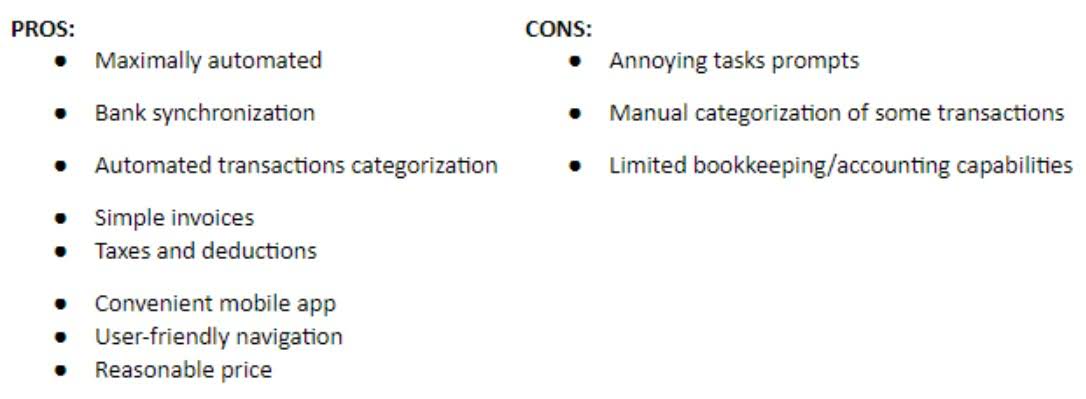
- We want to help make the ideal a reality, so, to help you determine what plan might be best to apply to your practice, we’ve outlined the pros and cons for potential strategies to reduce accounts receivable.
- Effective management of account receivables is essential for maintaining a healthy cash flow and optimizing the financial performance of healthcare providers.
A/R Aging Reports

By comprehending and effectively managing Accounts Receivable, medical practices can improve their financial health, ensuring they have the necessary resources to continue providing exceptional patient care. This comprehensive guide is designed to shed light on AR and its importance within a medical practice. The aim is to empower healthcare providers with the knowledge and tools needed to optimize their AR processes for better financial stability and success.
Patient Accounts Receivable FAQ Section
- With Greenway Health’s guidance, let’s delve into workflows, patient education, patient costs, financial policy, and how these work together to formulate the science of best practices in A/R.
- It’s important to accept a variety of payment methods in order to better meet the needs of your customers.
- Manual AR, such as sending out invoicing and processing payments, is tedious and invites otherwise avoidable errors.
- If these steps are only partially successful, partnering with an agency for severe debt collections is always possible.
AR collections should focus on the largest outstanding accounts first, categorize balances by payer and age, and determine thresholds for small balance write-offs to ensure efficient recovery. Manual AR processing can be inefficient and costly, but automated AR can be helpful to streamline business processes, enabling the AR team to improve cash flow, reduce operating costs, and enhance customer service. This AR summary will help you see who owes you money, how much each customer owes, and who is past their due date. The AR summary can assess your receivables in many ways, including by individual patient, by insurance unearned revenue plan, and by payer class.
Importance of AR for Medical Practices
In many practices, a rep sits down with a large number of accounts and works them without a plan, which can result in suboptimal collection rates. While, in an ideal practice, a rep would start the day with their accounts in a queue based on the highest priority as determined by their team. We want to help make the ideal a reality, so, to help you determine what plan might be best to apply to your practice, we’ve outlined the pros and cons for potential strategies to reduce accounts receivable. Whether your patients and customers prefer physical invoices, digital transactions, email attachments, or other forms of communication, an automated system makes sure you stay connected. Omnichannel document delivery lets you tailor all AR documents to the recipient’s preference.

Automation streamlines the previously time-consuming, error-prone process of collecting, searching, and updating client accounts receivable log for individual patients details. It also ensures that those details aren’t duplicated or lost in the shuffle of switching between systems or transcribing them from paper copies. The distinct demands of accounts receivable in healthcare result in some key challenges, all of which can significantly impact cash flow.
MTC会社紹介
MTCジャパン株式会社は、SAP ERPソリューションを提供する専門コンサルティング会社であり、SAP Business One+HANA+Cloudのソリューションを提供しております。MTCグループは上海に本社とサポートセンターを置き、アメリカ、ドイツ、日本のお客様をサポートしています。
- Privacy |
- Terms of Use |
- Site Map |
 US
US  JP
JP